
Sports injuries can affect anyone, from professional athletes to individuals who enjoy regular physical activity. Whether it is a sprained ankle, torn ligament, muscle strain, or joint pain, getting proper treatment from a qualified sports injury doctor is essential for a safe and quick recovery. Sports injuries not only impact performance but can also interfere with daily activities if left untreated.
A sports injury doctor specializes in diagnosing, treating, and preventing injuries related to physical activity and sports participation. These medical professionals understand the unique demands placed on muscles, bones, joints, and ligaments during exercise and athletic performance. Their goal is to help patients recover efficiently while reducing the risk of future injuries.
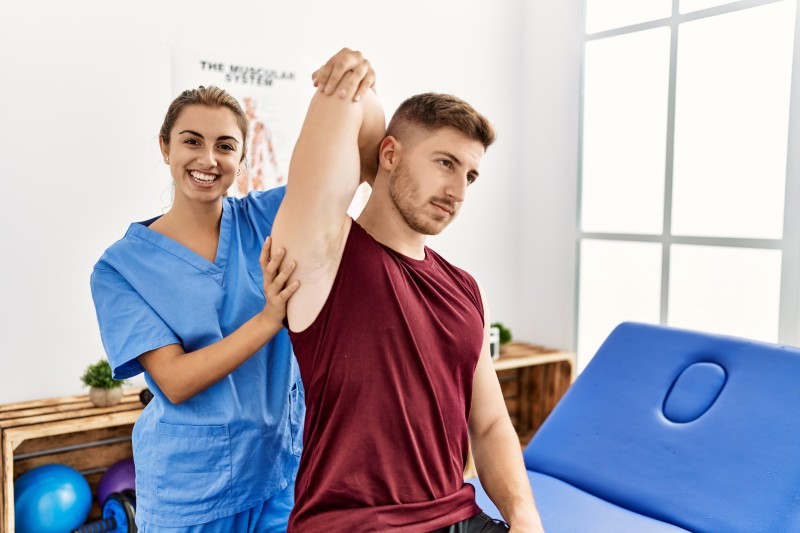
What Does a Sports Injury Doctor Do?
A sports injury doctor focuses on musculoskeletal injuries that occur during physical activity. They evaluate the severity of the injury, provide accurate diagnoses, and develop personalized treatment plans based on the patient’s condition and activity level.
These specialists commonly treat:
- Sprains and strains
- Torn ligaments
- Muscle injuries
- Tendonitis
- Knee injuries
- Shoulder injuries
- Fractures
- Tennis elbow
- Runner’s knee
- Back and neck pain related to sports activities
In addition to treatment, a sports medicine specialist also helps patients improve flexibility, strength, endurance, and injury prevention techniques.
Common Sports Injuries
1. Sprains and Strains
Sprains involve stretched or torn ligaments, while strains affect muscles or tendons. These injuries often occur during sudden movements, improper warmups, or overuse during exercise.
2. Knee Injuries
Knee injuries are among the most common conditions treated by a sports injury doctor. Athletes frequently experience ACL tears, meniscus injuries, and patellar tendonitis from running, jumping, or contact sports.
3. Shoulder Injuries
Sports involving repetitive arm movements, such as baseball, swimming, and tennis, can cause shoulder dislocations, rotator cuff injuries, and inflammation.
4. Muscle Tears
Muscle injuries can range from mild strains to severe tears that require extensive rehabilitation. Hamstring and calf injuries are especially common among runners and athletes.
5. Fractures and Dislocations
High-impact sports can lead to broken bones and joint dislocations. Immediate medical attention is necessary to ensure proper healing and prevent complications.
Signs You Should Visit a Sports Injury Doctor
Ignoring sports injuries may worsen the condition and prolong recovery time. You should seek professional care if you experience:
- Persistent pain during movement
- Swelling or bruising
- Limited range of motion
- Joint instability
- Difficulty walking or exercising
- Muscle weakness
- Pain that does not improve with rest
A sports medicine specialist can accurately diagnose the problem and recommend effective treatment options.
Diagnosis and Evaluation
A sports injury doctor begins with a detailed physical examination and medical history review. They may ask about the type of sport, training routine, previous injuries, and symptoms.
Diagnostic tests may include:
- X-rays
- MRI scans
- CT scans
- Ultrasound imaging
- Range of motion testing
These evaluations help identify the exact cause of pain and determine the best course of treatment.
Sports Injury Treatment Options
1. Rest and Activity Modification
Rest is often the first step in recovery. Limiting activities that aggravate the injury allows tissues to heal properly.
2. Physical Therapy
Physical therapy plays a major role in sports rehabilitation. Therapists guide patients through exercises designed to improve flexibility, strength, and mobility while reducing pain.
3. Medication Management
Anti-inflammatory medications may help relieve swelling and discomfort. In some cases, injections may be recommended for pain management.
4. Bracing and Support
Braces, wraps, or splints can stabilize injured joints and protect them during recovery.
5. Minimally Invasive Procedures
Some injuries require advanced treatment options such as arthroscopic surgery or regenerative therapies. A sports injury doctor will determine if surgical intervention is necessary.
Importance of Sports Rehabilitation
Rehabilitation is essential for restoring function and preventing reinjury. Many athletes return to sports too early, increasing the risk of recurring injuries. A structured rehabilitation program ensures gradual recovery and improves overall performance.
Sports rehabilitation may include:
- Stretching exercises
- Strength training
- Balance improvement
- Endurance conditioning
- Mobility exercises
- Sport-specific training
A comprehensive rehab plan helps patients regain confidence and safely return to their favorite activities.
Injury Prevention Tips
Preventing injuries is just as important as treating them. Here are several ways to reduce the risk of sports-related injuries:
1. Warm Up Properly
Always perform stretching and light exercises before physical activity to prepare muscles and joints.
2. Use Proper Equipment
Wearing the correct footwear and protective gear can minimize injury risks.
3. Maintain Good Technique
Incorrect movement patterns often lead to injuries. Proper training and coaching improve performance and safety.
4. Stay Hydrated
Dehydration can contribute to muscle cramps and fatigue during exercise.
5. Avoid Overtraining
Giving the body enough time to recover is crucial for injury prevention and long-term athletic performance.
Benefits of Visiting a Sports Injury Doctor
Choosing a specialized sports medicine provider offers several advantages:
- Accurate diagnosis and treatment
- Faster recovery times
- Personalized rehabilitation plans
- Improved athletic performance
- Reduced risk of future injuries
- Access to advanced treatment options
Whether you are a professional athlete or simply enjoy staying active, expert medical care can help you return to your normal routine safely and confidently.
Choosing the Right Sports Injury Doctor
When selecting a sports injury doctor, consider the following:
- Experience in sports medicine
- Board certifications
- Rehabilitation services offered
- Patient reviews and reputation
- Advanced diagnostic capabilities
A trusted specialist will focus on both recovery and long-term injury prevention.
Conclusion
Sports injuries can significantly impact physical performance and daily life, but timely treatment from an experienced sports injury doctor can make a major difference in recovery. From diagnosis and pain management to rehabilitation and prevention strategies, sports medicine specialists provide comprehensive care for athletes and active individuals alike.
Early treatment helps prevent complications, improves mobility, and allows patients to return to sports safely. If you are experiencing persistent pain, swelling, or limited movement after physical activity, seeking professional medical care is the best step toward recovery and peak performance.
Frequently Asked Questions (FAQs)
1. What is a sports injury doctor?
A sports injury doctor is a medical professional who specializes in diagnosing, treating, and preventing injuries related to sports and physical activities.
2. When should I see a sports injury doctor?
You should visit a sports injury doctor if you experience persistent pain, swelling, reduced mobility, or injuries that do not improve with rest.
3. Can sports injuries heal without treatment?
Some minor injuries may heal with rest, but untreated injuries can worsen over time and lead to long-term complications.
4. What treatments do sports injury doctors provide?
Treatment options may include physical therapy, medications, rehabilitation exercises, injections, bracing, and minimally invasive procedures.
5. How long does sports injury recovery take?
Recovery time depends on the severity of the injury, overall health, and adherence to rehabilitation programs.
Looking for expert care from a trusted sports injury doctor? Visit our clinic https://sccwaco.com/services-and-specialities/sports-medicine/ today for personalized treatment plans, advanced rehabilitation services, and compassionate medical care designed to help you recover quickly and safely.
Contact us at (254) 308-7868 now to schedule your appointment and get back to living an active, pain-free life.