
Introduction
Sports and physical activities help people stay active, improve fitness, and maintain overall well-being. However, athletes and recreational fitness enthusiasts can experience injuries during training, competition, exercise, or everyday activities. From muscle strains and ankle sprains to knee injuries and shoulder pain, sports-related problems can affect mobility and prevent individuals from participating in their favorite activities.
Finding a qualified sports injury doctor in Waco TX can help patients understand the cause of their symptoms and explore appropriate treatment options. Early evaluation may help identify the severity of an injury, prevent further damage, and support a safe return to physical activity.
Whether you are a student athlete, weekend runner, gym enthusiast, or competitive sports participant, professional sports injury care can help you manage pain, restore function, and develop a plan for recovery.
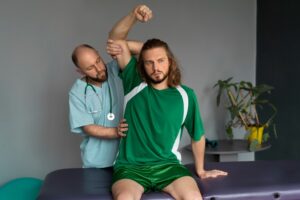
What Does a Sports Injury Doctor Do?
A sports injury doctor evaluates, diagnoses, and treats injuries associated with exercise, athletic performance, and physical activity. Depending on their qualifications and specialty, these providers may offer nonsurgical treatment, coordinate rehabilitation, or refer patients for orthopedic or surgical care when necessary.
During an appointment, the doctor may review your medical history, ask how the injury occurred, assess pain and mobility, and perform a physical examination. Imaging tests, such as X-rays or MRI scans, may be recommended when clinically appropriate.
Treatment recommendations depend on the type and severity of the injury. They may include activity modification, appropriate pain management, supportive devices, rehabilitation exercises, or referral to a specialist.
A sports injury doctor also helps patients understand how to prevent reinjury and return to sports or exercise safely.
Common Sports Injuries Treated in Waco TX
Athletes can experience different types of injuries depending on their sport, training intensity, equipment, and physical condition.
1. Knee Injuries
Knee injuries are common in activities that involve running, jumping, sudden stops, and changes in direction. Conditions may include ligament sprains, meniscus injuries, kneecap problems, and overuse-related pain.
A sports injury doctor can assess knee pain, swelling, instability, and difficulty bearing weight. Depending on the diagnosis, treatment may involve activity modification, rehabilitation, supportive braces, or an orthopedic referral.
2. Ankle Sprains
An ankle sprain occurs when the ligaments supporting the ankle stretch or tear, often after a sudden twist or awkward landing. Symptoms may include swelling, bruising, pain, and difficulty walking.
Prompt assessment can help determine whether the injury is a mild sprain or a more serious problem, such as a fracture. Treatment may include protection, relative rest, compression when appropriate, and progressive rehabilitation.
3. Shoulder Injuries
Sports involving throwing, swimming, weightlifting, or repetitive overhead movement can contribute to shoulder injuries. Rotator cuff problems, muscle strains, and shoulder instability may cause pain and restricted movement.
A qualified provider can assess the shoulder and recommend suitable treatment based on the underlying condition. Some injuries improve with activity modification and rehabilitation, while others require further orthopedic evaluation.
4. Muscle Strains and Tendon Injuries
Muscle strains occur when muscle fibers are overstretched or torn. They can affect the hamstrings, quadriceps, calves, and other muscle groups. Tendon injuries may develop from repetitive stress or sudden loading.
Treatment depends on the severity of the injury and may include temporary activity modification, gradual rehabilitation, and professional guidance about returning to training.
5. Overuse Injuries
Overuse injuries develop when repeated physical stress exceeds the body’s ability to recover. Examples include tendinopathy, shin pain, and certain stress injuries involving bone.
Training errors, insufficient recovery, sudden increases in exercise intensity, and unsuitable footwear may contribute to these problems. A sports injury doctor can help identify contributing factors and recommend changes to reduce repeated stress.
Sports Injury Treatment Options
Sports injury treatment in Waco TX should be based on the patient’s diagnosis, symptoms, activity level, and overall health. Common treatment approaches include the following.
- Medical evaluation: An examination helps identify the affected structures and determine whether additional testing or specialist care is needed.
- Activity modification: Temporarily reducing or changing painful activities can help protect an injured area while maintaining safe movement when appropriate.
- Pain management: Depending on the diagnosis, a clinician may recommend suitable medications or other strategies to manage discomfort. Medication choices should account for individual medical history and potential risks.
- Rehabilitation and physical therapy: Guided exercises can help restore flexibility, strength, balance, coordination, and functional movement.
- Supportive devices: Braces, splints, or other supports may be recommended for selected injuries to protect the affected area during healing.
- Specialist referral: Significant ligament tears, fractures, severe tendon injuries, or persistent symptoms may require evaluation by an orthopedic surgeon or another specialist.
Not every sports injury requires surgery. A healthcare professional can explain the benefits, limitations, and risks of the available treatment options.
When Should You See a Sports Injury Doctor?
Do not ignore persistent pain or assume every injury will improve without treatment. Consider seeking medical evaluation when you experience ongoing swelling, recurring pain during exercise, reduced range of motion, joint instability, or difficulty returning to your normal activities.
Seek urgent medical attention if an injury causes severe pain, an obvious deformity, inability to bear weight, or rapidly increasing swelling. An open fracture or a limb that becomes cold, pale, numb, or weak requires emergency assessment.
Head injuries also need special attention. Loss of consciousness, worsening headache, repeated vomiting, confusion, seizures, or unusual drowsiness after a head impact require emergency medical care. An athlete with a suspected concussion should stop playing and should not return to sports until medically assessed and appropriately cleared.
Early assessment can help patients understand the injury and avoid activities that may worsen it.
Tips for Preventing Sports Injuries
Although not every injury can be prevented, practical habits may reduce the risk of many sports-related problems.
- Warm up before activity: Prepare your body with appropriate movement before intense exercise.
- Increase training gradually: Avoid sudden increases in workout duration, intensity, or frequency.
- Use suitable equipment: Choose sport-specific footwear and protective equipment that fits properly.
- Prioritize recovery: Allow adequate rest between demanding training sessions.
- Build strength and flexibility: Follow a balanced exercise program appropriate for your sport and abilities.
- Maintain hydration: Drink fluids according to your activity level and environmental conditions.
- Respond to pain early: Stop or modify activities that cause significant or worsening pain and seek professional advice when needed.
Student athletes should also follow their school’s requirements for sports physicals and medical clearance before participating in organized sports.
Choosing a Sports Injury Doctor in Waco TX
When selecting a sports injury doctor in Waco TX, consider the provider’s qualifications, experience treating your type of injury, available diagnostic services, and approach to rehabilitation.
Ask whether the clinic evaluates your particular injury, coordinates physical therapy, and refers patients for orthopedic care when necessary. It is also useful to understand appointment availability, insurance acceptance, and follow-up arrangements.
A provider who explains the diagnosis, treatment options, recovery expectations, and injury prevention strategies can help you make informed decisions about your care.
Conclusion
Sports injuries can affect athletes of all ages and activity levels, but appropriate evaluation and treatment can help support recovery and restore function. Whether you are dealing with knee pain, an ankle sprain, a shoulder injury, muscle strain, or an overuse problem, consulting a qualified sports injury doctor in Waco TX can help you understand your options.
From medical assessment to rehabilitation guidance, a personalized approach can help you manage symptoms and work toward a safe return to activity. Seek professional advice when pain persists, symptoms worsen, or an injury interferes with your daily routine.
Dealing with a sports injury or exercise-related pain? Schedule an appointment with a qualified healthcare professional to discuss your symptoms, receive an appropriate evaluation, and learn about treatment options. Contact our team to ask about sports injury care, rehabilitation guidance, and the next steps toward returning to your favorite activities safely.
Frequently Asked Questions (FAQs)
1. What does a sports injury doctor in Waco TX treat?
A sports injury doctor may evaluate muscle strains, ligament sprains, knee injuries, ankle injuries, shoulder pain, tendon problems, and overuse injuries. Treatment depends on the provider’s specialty and the patient’s condition.
2. When should I see a doctor for a sports injury?
Seek medical evaluation for persistent pain, swelling, joint instability, restricted movement, or difficulty bearing weight. Severe pain, deformity, suspected fractures, and serious head injury symptoms require urgent or emergency care.
3. Can sports injuries heal without surgery?
Many sports injuries can be managed without surgery through activity modification, appropriate pain management, supportive devices, and rehabilitation. Severe injuries may require specialist assessment and, in some cases, surgery.
4. How long does it take to recover from a sports injury?
Recovery time varies according to the injury, its severity, overall health, and treatment plan. Minor strains may improve within days or weeks, while significant ligament injuries, fractures, and tendon injuries can take several months or longer.
5. Do I need an X-ray or MRI for a sports injury?
Not every sports injury requires imaging. A healthcare professional may recommend an X-ray when a fracture is suspected or an MRI when more detailed assessment of soft tissues or other structures is necessary.
Looking for a sports injury doctor in Waco TX? Get professional guidance for athletic injuries, joint pain, muscle strains, and recovery planning.
Do not let sports injuries keep you away from the activities you enjoy. Explore appropriate treatment options and rehabilitation guidance to support your recovery.
Visit Us: Visit us https://sccwaco.com/services-and-specialities/sports-medicine/ to learn more about sports injury evaluation, treatment options, and recovery support. Our team can help you understand the next steps for your healthcare needs.
Contact Us: Contact us at (254) 308-7868 today to ask about sports injury appointments, available services, and treatment options for exercise-related pain or athletic injuries.
Visit Us and Contact Us Today! Reach out to learn more about sports injury care in Waco TX and discuss the treatment options that may be appropriate for you.