
A herniated disc is one of the most common causes of back and neck pain, affecting millions of people worldwide. Also known as a slipped disc or ruptured disc, this condition occurs when the soft inner material of a spinal disc pushes through its tougher outer layer. The result can be significant pain, numbness, tingling sensations, and weakness that may impact daily activities. Understanding the available herniated disc treatment options can help individuals find relief and return to their normal lifestyle.
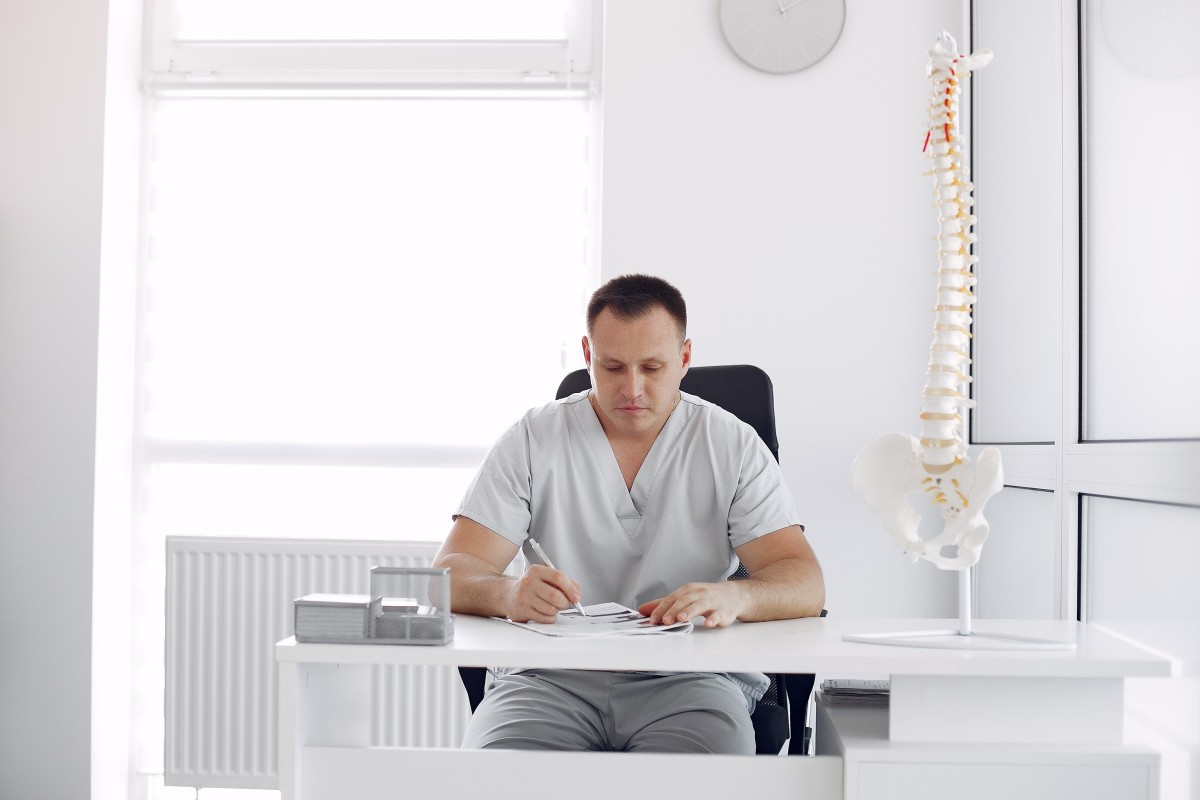
What Is a Herniated Disc?
The spine consists of a series of vertebrae separated by discs that act as cushions and shock absorbers. When a disc becomes damaged due to age-related wear and tear, injury, or excessive strain, the inner gel-like material may protrude through the outer layer. This can place pressure on nearby nerves, causing discomfort and limiting mobility.
Herniated discs most commonly occur in the lower back (lumbar spine) and neck (cervical spine), although they can develop anywhere along the spine.
Common Symptoms of a Herniated Disc
Symptoms vary depending on the location and severity of the herniation. Common signs include:
- Persistent back or neck pain
- Pain radiating into the arms or legs
- Numbness or tingling sensations
- Muscle weakness
- Difficulty standing, walking, or bending
- Reduced range of motion
If symptoms worsen or affect bladder and bowel control, immediate medical attention is necessary.
Causes and Risk Factors
Several factors can increase the likelihood of developing a herniated disc:
1. Aging and Disc Degeneration
As people age, spinal discs naturally lose flexibility and water content, making them more susceptible to tears and ruptures.
2. Repetitive Movements
Frequent lifting, bending, twisting, or physically demanding work can place excessive stress on spinal discs.
3. Poor Posture
Sitting or standing with improper posture increases pressure on the spine and contributes to disc damage over time.
4. Excess Weight
Additional body weight places increased stress on the lower back, raising the risk of disc herniation.
5. Injury or Trauma
Falls, sports injuries, and automobile accidents can cause sudden disc damage.
Diagnosis of a Herniated Disc
A healthcare provider typically begins with a physical examination and medical history review. Additional diagnostic tests may include:
- X-rays
- MRI scans
- CT scans
- Nerve conduction studies
- Electromyography (EMG)
Accurate diagnosis is essential for creating an effective treatment plan.
Non-Surgical Herniated Disc Treatment Options
Most patients improve without surgery. Conservative treatments are often the first line of care.
1. Physical Therapy
Physical therapy is among the most effective forms of herniated disc treatment. A therapist develops exercises to strengthen supporting muscles, improve flexibility, and reduce pressure on affected nerves.
Benefits include:
- Improved mobility
- Reduced pain
- Better posture
- Enhanced spinal stability
2. Medications
Several medications may help manage symptoms:
- Over-the-counter pain relievers
- Anti-inflammatory medications
- Muscle relaxants
- Prescription pain medications
- Nerve pain medications
These medications can reduce discomfort and support recovery when used appropriately.
3. Activity Modification
While complete bed rest is not recommended, avoiding activities that aggravate symptoms can help the healing process. Light movement and gentle exercise are generally encouraged.
4. Heat and Cold Therapy
Applying ice packs during the first 48 hours can reduce inflammation. Heat therapy may later help relax muscles and improve blood circulation.
5. Chiropractic Care
Some patients find relief through spinal adjustments and manual therapy performed by qualified professionals.
Advanced Herniated Disc Treatment Options
When conservative treatments fail to provide adequate relief, advanced interventions may be recommended.
1. Epidural Steroid Injections
These injections deliver anti-inflammatory medication directly around affected nerves, helping reduce pain and swelling.
Benefits include:
- Rapid pain relief
- Reduced inflammation
- Improved mobility
- Delayed or avoided surgery in some cases
2. Minimally Invasive Procedures
Newer techniques can address disc problems through smaller incisions and shorter recovery times compared to traditional surgery.
Surgical Herniated Disc Treatment
Surgery may be necessary if symptoms persist for several months or if neurological complications develop.
1. Microdiscectomy
Microdiscectomy is one of the most common surgical procedures for a herniated disc. During the procedure, the surgeon removes the portion of the disc pressing on the nerve.
2. Laminectomy
This procedure involves removing part of the vertebral bone to create more space for affected nerves.
3. Spinal Fusion
In severe cases, spinal fusion may be recommended to stabilize the spine after disc removal.
Surgical outcomes are generally favorable when patients are carefully selected and follow postoperative rehabilitation programs.
Recovery and Rehabilitation
Recovery times vary depending on the severity of the condition and the chosen treatment approach. Most individuals experience significant improvement within several weeks to a few months.
Recovery recommendations include:
- Following physician instructions
- Participating in physical therapy
- Maintaining proper posture
- Avoiding heavy lifting
- Staying physically active
- Managing body weight
Consistent rehabilitation helps prevent recurrence and supports long-term spinal health.
Preventing Future Disc Problems
Prevention strategies can significantly reduce the risk of future herniated discs.
1. Exercise Regularly
Core-strengthening exercises support spinal alignment and stability.
2. Practice Good Posture
Maintaining proper posture while sitting, standing, and lifting protects the spine from unnecessary stress.
3. Lift Correctly
Always bend at the knees rather than the waist when lifting heavy objects.
4. Maintain a Healthy Weight
Reducing excess body weight lowers pressure on spinal structures.
5. Stay Active
Regular movement promotes flexibility, strength, and spinal health.
Conclusion
A herniated disc can cause significant discomfort and interfere with everyday activities, but effective treatment options are available. From physical therapy and medications to advanced injections and surgical procedures, modern herniated disc treatment approaches can provide lasting relief and improve quality of life. Early diagnosis and appropriate treatment are essential for achieving the best possible outcome and preventing long-term complications.
Frequently Asked Questions (FAQs)
1. What is the fastest way to heal a herniated disc?
The fastest recovery typically involves a combination of physical therapy, medication, activity modification, and following your healthcare provider’s recommendations.
2. Can a herniated disc heal without surgery?
Yes. Most herniated discs improve with conservative treatments such as physical therapy, medication, and lifestyle modifications.
3. How long does herniated disc recovery take?
Recovery can range from a few weeks to several months depending on the severity of the condition and treatment approach.
4. What activities should I avoid with a herniated disc?
Avoid heavy lifting, twisting motions, high-impact activities, and prolonged sitting if they worsen symptoms.
5. Is walking good for a herniated disc?
Yes. Walking is generally considered a low-impact exercise that can help improve circulation, flexibility, and recovery.
6. When should I consider surgery for a herniated disc?
Surgery may be recommended if symptoms persist despite conservative treatment or if significant nerve damage or muscle weakness develops.
Experiencing back pain, neck pain, or symptoms of a herniated disc? Don’t let discomfort limit your life. Contact our experienced healthcare team today for a comprehensive evaluation and personalized treatment plan. Schedule your appointment now and take the first step toward lasting pain relief and improved mobility.
✔ Expert Herniated Disc Evaluation & Treatment
✔ Personalized Care Plans for Lasting Relief
✔ Advanced Non-Surgical and Surgical Options Available
✔ Compassionate Healthcare Professionals You Can Trust
✔ Fast Appointments and Comprehensive Spine Care
Visit Us https://sccwaco.com/orthopedic-care/ Today for expert herniated disc treatment and personalized pain management solutions.
Contact Us at (254) 308-7868 now to schedule your consultation and begin your journey toward a healthier, pain-free life.