
Introduction to ACL Tears
An anterior cruciate ligament (ACL) tear is a common knee injury that can affect athletes, active adults, and people who experience sudden twisting or awkward landings. The ACL is one of the major ligaments that stabilize the knee joint. It helps control forward movement of the shinbone and supports rotational stability during activities such as running, jumping, and changing direction.
An ACL injury can range from a mild ligament sprain to a partial tear or a complete rupture. The severity of the injury, the patient’s activity level, and the presence of additional knee damage all influence the treatment approach. Understanding ACL tear symptoms and treatment options can help individuals recognize a possible injury and seek appropriate medical evaluation.
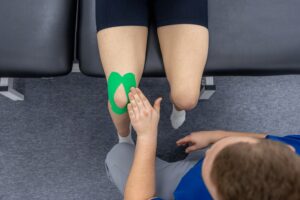
What Are the Common ACL Tear Symptoms?
ACL tear symptoms can develop immediately after an injury or become more noticeable as swelling and discomfort increase. Common warning signs include the following.
1. A Popping Sound or Sensation
Some people hear or feel a popping sensation when the ACL is injured. This can occur during a sudden change of direction, pivot, jump, or awkward landing. However, not every ACL tear produces a noticeable pop, and a popping sound alone does not confirm an ACL injury.
2. Sudden Knee Pain
Pain may occur immediately after the injury, particularly when the knee twists or bends unexpectedly. The intensity varies depending on the severity of the ligament damage and whether other structures, such as the meniscus, are also injured.
3. Rapid Swelling
Swelling often develops within the first several hours after an ACL tear. Rapid swelling can indicate bleeding inside the knee joint and should be assessed by a healthcare professional.
4. Knee Instability
A damaged ACL can make the knee feel unstable or as though it may give way. This sensation may be especially noticeable when walking on uneven surfaces, turning, climbing stairs, or participating in sports.
5. Reduced Range of Motion
Pain and swelling can make it difficult to fully straighten or bend the knee. Some people also experience stiffness or difficulty putting weight on the affected leg.
If you experience severe pain, significant swelling, an inability to bear weight, or a locked knee after an injury, seek prompt medical evaluation. A cold or pale foot, numbness, or obvious deformity requires urgent assessment.
What Causes an ACL Tear?
ACL tears commonly occur during sports and activities involving rapid movements. However, they can also happen during everyday accidents.
Common causes include sudden stops while running, quick changes in direction, pivoting with the foot planted, awkward landings after a jump, and direct collisions that force the knee into an abnormal position.
Sports such as soccer, basketball, football, skiing, and volleyball involve movements that can increase the risk of ACL injury. Previous knee injuries, muscle weakness, fatigue, and movement patterns may also influence risk.
Although ACL injuries are often associated with athletes, anyone can experience one. Proper conditioning, strength training, balance exercises, and landing-technique training may help reduce the risk of certain non-contact knee injuries.
How Is an ACL Tear Diagnosed?
Accurate diagnosis is important because other conditions, including meniscus tears, collateral ligament injuries, and fractures, can cause similar symptoms.
Physical Examination
A healthcare professional reviews how the injury occurred, examines swelling and tenderness, and evaluates knee movement and stability. Tests such as the Lachman test and anterior drawer test may help assess ACL function.
Imaging Tests
An X-ray may be ordered to check for fractures or other bone injuries. An MRI can provide detailed images of the ACL and surrounding soft tissues, helping identify partial or complete tears and associated meniscus or cartilage damage.
Your healthcare professional determines which tests are necessary based on the examination and injury history.
ACL Tear Treatment Options
Treatment depends on the extent of ligament damage, knee stability, other injuries, age, activity goals, and personal preferences. Not every ACL tear requires surgery.
1. Initial Injury Management
Early care may include protecting the knee, temporarily reducing painful activities, applying ice wrapped in a towel, using compression when appropriate, and elevating the leg to help manage swelling.
Crutches or a knee brace may be recommended in certain situations. Avoid forcing the knee to move or returning to sports before the injury has been evaluated.
2. Physical Therapy and Rehabilitation
Physical therapy is an important part of both nonsurgical and surgical ACL treatment. A rehabilitation program may focus on reducing swelling, restoring knee extension and flexion, strengthening the quadriceps and hamstrings, improving balance, and gradually rebuilding coordination.
For selected patients, particularly those with lower activity demands or certain partial injuries, structured rehabilitation without surgery may provide satisfactory function. However, persistent instability can increase the risk of further damage to the meniscus and other knee structures.
A physical therapist should tailor exercises to the injury and the patient’s progress.
3. ACL Reconstruction Surgery
ACL reconstruction may be recommended for people with significant knee instability, those who want to return to sports involving pivoting, or patients with additional injuries that require surgical management.
During reconstruction, a surgeon typically replaces the damaged ligament with a graft obtained from the patient’s own tissue or, in selected cases, donor tissue. The choice of graft depends on several factors, including activity level, age, surgical considerations, and patient preferences.
ACL reconstruction is different from simply repairing the torn ligament. The appropriate surgical technique depends on the specific injury and the surgeon’s assessment.
4. Post-Surgical Rehabilitation
Rehabilitation after ACL reconstruction is essential for restoring strength, mobility, balance, and confidence. Treatment typically progresses from swelling control and range-of-motion exercises to strengthening, functional training, and sport-specific activities.
Returning to sports should depend on recovery milestones, strength, stability, functional testing, and medical clearance rather than a fixed date alone. Recovery commonly takes several months, and returning to demanding pivoting sports often requires approximately 9–12 months or longer, depending on individual progress and the treatment plan.
How to Prevent Future ACL Injuries
Although no prevention program eliminates every ACL injury, targeted training may lower the risk.
- Strengthen the quadriceps, hamstrings, hips, and core muscles.
- Practice controlled jumping and landing techniques.
- Improve balance, coordination, and agility.
- Warm up before training and competition.
- Increase exercise intensity gradually.
- Avoid playing through significant knee pain or instability.
- Follow rehabilitation and return-to-sport guidance after an injury.
Athletes may benefit from structured neuromuscular training programs that teach safe landing, deceleration, and cutting movements.
When Should You See an Orthopedic Specialist?
Seek medical evaluation after a twisting knee injury accompanied by swelling, pain, instability, or difficulty walking. Early assessment can help identify the injury and determine whether conservative treatment, rehabilitation, or surgery may be appropriate.
An orthopedic specialist can review your symptoms, examine your knee, recommend imaging when necessary, and discuss treatment options based on your lifestyle and goals. Early treatment planning can also help reduce the risk of additional injury caused by repeated episodes of knee instability.
Conclusion
ACL tear symptoms and treatment options vary according to the severity of the injury and the individual’s activity goals. Common symptoms include a popping sensation, rapid swelling, knee pain, instability, and reduced range of motion. Diagnosis may involve a physical examination and imaging studies, while treatment can include initial injury management, physical therapy, or ACL reconstruction surgery.
If you suspect an ACL tear, seek professional evaluation rather than attempting to diagnose the injury yourself. A personalized treatment and rehabilitation plan can help you work toward improved knee stability, mobility, and a safe return to daily activities.
Frequently Asked Questions (FAQs)
1. What are the first signs of an ACL tear?
Common early signs include a popping sensation, sudden knee pain, rapid swelling, difficulty moving the knee, and a feeling that the knee may give way.
2. Can an ACL tear heal without surgery?
Some ACL injuries can be managed without surgery through structured physical therapy and activity modification. However, complete tears with persistent instability or high-demand sporting goals may require reconstruction.
3. How is an ACL tear diagnosed?
Diagnosis typically involves a medical history, physical examination, and sometimes an MRI. X-rays may be used to assess possible fractures.
4. Is ACL reconstruction always necessary?
No. Treatment depends on knee stability, injury severity, activity level, associated injuries, and personal goals. A qualified orthopedic specialist can discuss the benefits and limitations of surgical and nonsurgical care.
5. How long does it take to recover from an ACL tear?
Recovery varies according to the injury and treatment. Rehabilitation may take several months, and returning to pivoting sports after reconstruction often takes around 9–12 months or longer.
Experiencing knee pain, swelling, or instability after a sports injury or sudden twist? Don’t ignore the warning signs. Schedule an evaluation with a qualified orthopedic healthcare professional to determine the cause of your symptoms and explore appropriate ACL tear treatment options.
Get the guidance you need to understand your injury, make informed treatment decisions, and work toward a safe recovery.
Visit Us: Visit our orthopedic care clinic to discuss knee pain, ligament injuries, ACL tear symptoms, and treatment options with a qualified healthcare professional.
Contact Us: Contact our team (254) 308-7868 to ask about orthopedic consultations, diagnostic evaluations, physical therapy, and ACL injury management.
Book an Appointment: Schedule an appointment for a knee injury evaluation and learn which treatment options may be suitable for your condition.
Take the First Step Toward Recovery: Get professional guidance for knee instability, sports injuries, and ACL rehabilitation.
Your Knee Health Matters: Whether you need a diagnostic evaluation or guidance after an ACL injury, seek care tailored to your symptoms and recovery goals.