
Bone fractures can happen suddenly due to accidents, sports injuries, falls, or workplace incidents. Immediate medical attention is important to prevent complications and support proper healing. A professional fracture care clinic provides specialized treatment for broken bones, helping patients recover safely and return to their daily activities faster. From diagnosis to rehabilitation, fracture specialists ensure every patient receives personalized care based on the severity and location of the injury.
What Is a Fracture Care Clinic?
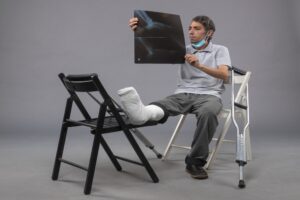
A fracture care clinic is a medical facility that specializes in diagnosing and treating bone fractures and musculoskeletal injuries. These clinics are staffed with experienced orthopedic doctors, fracture specialists, nurses, and rehabilitation professionals who work together to provide complete care for patients with broken bones.
Whether the injury is minor or severe, fracture clinics offer immediate evaluation, imaging services, casting, splinting, pain management, and rehabilitation support. The main goal is to restore bone function, reduce pain, and promote proper healing.
Common Causes of Bone Fractures
Bone fractures can occur in people of all ages. Some of the most common causes include:
- Sports injuries
- Car accidents
- Slips and falls
- Workplace accidents
- Osteoporosis-related injuries
- Direct trauma to the body
- Overuse or stress fractures
Children, athletes, and older adults are especially vulnerable to fractures due to physical activity or weakened bones.
Types of Fractures Treated at a Fracture Care Clinic
A fracture care clinic treats a wide range of bone injuries, including:
1. Simple Fractures
These fractures occur when the bone breaks but does not pierce the skin. They are common and usually heal well with proper treatment.
2. Compound Fractures
In this type, the broken bone pierces through the skin, increasing the risk of infection and requiring immediate medical attention.
3. Stress Fractures
Stress fractures are tiny cracks in the bone caused by repetitive movement or overuse, often seen in athletes and runners.
4. Greenstick Fractures
Common in children, greenstick fractures occur when the bone bends and partially breaks instead of snapping completely.
5. Comminuted Fractures
These fractures involve the bone breaking into multiple pieces and may require surgical treatment.
6. Hairline Fractures
Small cracks in the bone can cause pain and swelling but may not always be visible without imaging tests.
Symptoms That Require Fracture Care
You should visit a fracture care clinic if you experience:
- Severe pain after an injury
- Swelling or bruising
- Difficulty moving a limb
- Bone deformity
- Tenderness around the injured area
- Numbness or tingling
- Inability to bear weight
- Visible bone protrusion
Ignoring these symptoms can lead to long-term complications or improper bone healing.
Diagnosis and Evaluation
Accurate diagnosis is essential for successful fracture treatment. At a fracture care clinic, doctors perform a thorough examination and may recommend imaging tests such as:
1. X-Rays
X-rays are the most common imaging tool used to identify broken bones and determine fracture severity.
2. CT Scans
CT scans provide detailed images of complex fractures and joint injuries.
3. MRI Scans
MRI imaging helps evaluate soft tissue damage, ligaments, and stress fractures that may not appear on standard X-rays.
After diagnosis, the orthopedic specialist develops a treatment plan tailored to the patient’s condition.
Treatment Options at a Fracture Care Clinic
Treatment depends on the type and severity of the fracture. Common fracture treatment options include:
1. Casting and Splinting
Casts and splints help keep the bone stable during the healing process. They prevent movement and ensure proper alignment.
2. Closed Reduction
This non-surgical procedure involves repositioning the broken bone into its correct place before applying a cast or splint.
3. Surgical Treatment
Severe fractures may require surgery using plates, screws, rods, or pins to stabilize the bone.
4. Pain Management
Doctors may prescribe medications or recommend therapies to help reduce pain and inflammation.
5. Physical Therapy and Rehabilitation
Rehabilitation exercises improve strength, mobility, and flexibility after the bone heals.
Importance of Early Fracture Treatment
Seeking immediate care at a fracture care clinic offers several benefits:
- Faster recovery
- Reduced risk of complications
- Proper bone alignment
- Improved mobility
- Lower risk of chronic pain
- Better long-term outcomes
Delayed treatment can lead to infections, improper healing, nerve damage, and limited movement.
Pediatric Fracture Care
Children commonly experience fractures during sports or outdoor activities. Pediatric fracture care focuses on gentle and specialized treatment methods that support growing bones. Doctors carefully monitor the healing process to ensure proper bone development and prevent future complications.
Fracture Prevention Tips
Although not all fractures can be avoided, certain preventive measures can reduce the risk of injury:
- Wear protective sports gear
- Maintain strong bones with calcium and vitamin D
- Exercise regularly
- Avoid slippery surfaces
- Use proper lifting techniques
- Improve home safety for older adults
- Follow workplace safety guidelines
Healthy bones and safe habits can significantly lower the chances of fractures.
Recovery and Rehabilitation
Recovery time depends on the type of fracture, age, and overall health of the patient. Most fractures heal within several weeks to months. During recovery, patients should:
- Follow medical instructions carefully
- Attend follow-up appointments
- Avoid unnecessary strain on the injured area
- Complete physical therapy sessions
- Maintain a healthy diet for bone healing
Proper rehabilitation is essential for restoring normal movement and preventing stiffness.
Why Choose a Professional Fracture Care Clinic?
A specialized fracture care clinic provides advanced orthopedic expertise, fast diagnosis, and comprehensive treatment under one roof. Patients benefit from personalized care plans, experienced medical staff, modern imaging technology, and rehabilitation support.
Professional fracture clinics focus on both immediate treatment and long-term recovery, ensuring patients regain strength and return to their normal lifestyle safely.
Conclusion
Fractures can affect daily life and mobility, but early treatment at a trusted fracture care clinic can make a significant difference in recovery. From diagnosis and casting to surgery and rehabilitation, specialized fracture care ensures patients receive the best possible treatment for safe healing and improved quality of life. If you or a loved one experiences a bone injury, seeking prompt medical care is the first step toward a successful recovery.
Frequently Asked Questions (FAQs)
1. What does a fracture care clinic treat?
A fracture care clinic treats broken bones, stress fractures, joint injuries, sports injuries, and musculoskeletal conditions.
2. How do I know if I have a fracture?
Common signs include severe pain, swelling, bruising, difficulty moving the injured area, and visible deformity.
3. Do all fractures require surgery?
No, many fractures heal with casts, splints, or non-surgical treatment methods. Severe fractures may require surgery.
4. How long does fracture healing take?
Most fractures heal within 6 to 12 weeks, depending on the severity and the patient’s overall health.
5. Can children be treated at a fracture care clinic?
Yes, fracture clinics provide specialized pediatric fracture care for children and adolescents.
Visit us https://sccwaco.com/orthopedic-care/ today for expert fracture diagnosis and personalized orthopedic care. Contact us at (254) 308-7868 now to schedule your fracture evaluation and recovery treatment plan.