
Bone, joint, and muscle problems can significantly affect your quality of life, making everyday activities difficult and painful. Whether you’re experiencing chronic knee pain, a sports injury, arthritis, or a broken bone, an orthopedic surgeon is specially trained to diagnose, treat, and restore musculoskeletal health. These medical specialists focus on helping patients regain mobility, reduce pain, and return to their normal activities through advanced surgical and non-surgical treatments.
Modern orthopedic care combines innovative technology, personalized treatment plans, and minimally invasive procedures to provide the best possible outcomes for patients of all ages.
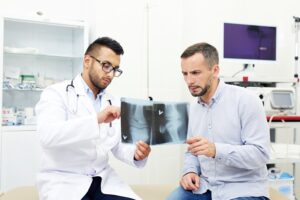
What Is an Orthopedic Surgeon?
An orthopedic surgeon is a medical doctor who specializes in the diagnosis, prevention, treatment, and rehabilitation of disorders involving the musculoskeletal system. This includes:
- Bones
- Joints
- Muscles
- Tendons
- Ligaments
- Cartilage
- Spine
Although many orthopedic surgeons perform surgery, they also offer conservative treatments such as physical therapy, medications, injections, bracing, and lifestyle modifications before recommending surgical intervention.
Conditions Treated by an Orthopedic Surgeon
Orthopedic specialists diagnose and treat a wide variety of musculoskeletal conditions, including:
1. Arthritis
Arthritis causes joint inflammation, stiffness, swelling, and pain. Orthopedic surgeons help patients manage osteoarthritis, rheumatoid arthritis, and other joint disorders using both surgical and non-surgical approaches.
2. Sports Injuries
Athletes frequently experience injuries such as:
- ACL tears
- Meniscus injuries
- Rotator cuff tears
- Tennis elbow
- Shoulder dislocations
- Ankle sprains
Prompt orthopedic care helps speed recovery and prevents long-term complications.
3. Fractures and Broken Bones
Broken bones require accurate diagnosis and proper alignment to heal correctly. Orthopedic surgeons provide expert fracture management using casting, splinting, or surgical fixation when necessary.
4. Back and Neck Pain
Many spine conditions such as herniated discs, spinal stenosis, scoliosis, and degenerative disc disease benefit from orthopedic evaluation and specialized treatment.
5. Joint Pain
Persistent pain in the knees, hips, shoulders, elbows, or ankles may indicate cartilage damage, arthritis, tendon injuries, or ligament tears requiring orthopedic assessment.
6. Tendon and Ligament Injuries
Overuse injuries and trauma can damage tendons and ligaments, affecting stability and movement. Treatment may include rehabilitation, injections, or surgical repair.
Signs You Should See an Orthopedic Surgeon
Consider scheduling an appointment if you experience:
- Persistent joint pain lasting several weeks
- Difficulty walking or climbing stairs
- Limited range of motion
- Swelling around joints
- Frequent sports injuries
- Bone fractures
- Chronic back or neck pain
- Joint instability
- Difficulty performing daily activities
- Pain that does not improve with rest
Early diagnosis often leads to more effective treatment and faster recovery.
Diagnostic Services
Orthopedic surgeons use advanced diagnostic tools to determine the exact cause of pain or injury. These may include:
- Physical examinations
- Digital X-rays
- MRI scans
- CT scans
- Ultrasound imaging
- Bone density testing
- Laboratory tests when needed
An accurate diagnosis allows your physician to develop a personalized treatment plan.
Non-Surgical Orthopedic Treatments
Not every orthopedic condition requires surgery. Many patients achieve excellent results through conservative treatment options such as:
1. Physical Therapy
Customized rehabilitation programs strengthen muscles, improve flexibility, and restore joint function.
2. Medications
Anti-inflammatory medications and pain relievers help reduce discomfort while supporting recovery.
3. Joint Injections
Corticosteroid or hyaluronic acid injections may relieve inflammation and improve mobility.
4. Bracing and Splinting
Supportive devices stabilize injured joints and encourage proper healing.
5. Lifestyle Modifications
Weight management, exercise, ergonomic improvements, and activity modifications help reduce stress on affected joints.
Surgical Treatments
When conservative treatments no longer provide relief, an orthopedic surgeon may recommend surgery.
Common orthopedic procedures include:
- Total knee replacement
- Hip replacement
- Arthroscopic surgery
- ACL reconstruction
- Rotator cuff repair
- Carpal tunnel release
- Fracture repair
- Shoulder replacement
- Spine surgery
- Tendon repair
Many procedures are now performed using minimally invasive techniques that reduce pain, minimize scarring, and shorten recovery time.
Recovery After Orthopedic Surgery
Recovery depends on the type of procedure and your overall health. Your orthopedic surgeon will provide a personalized rehabilitation plan that may include:
- Pain management
- Physical therapy
- Home exercises
- Gradual return to activities
- Follow-up appointments
Following your surgeon’s recommendations can significantly improve healing and long-term outcomes.
Tips for Maintaining Healthy Bones and Joints
You can reduce your risk of orthopedic problems by following healthy lifestyle habits:
- Exercise regularly
- Maintain a healthy weight
- Eat calcium-rich foods
- Get enough Vitamin D
- Practice good posture
- Wear supportive footwear
- Stretch before exercise
- Use proper lifting techniques
- Prevent falls at home
- Avoid smoking
These habits help strengthen bones, preserve joint function, and lower the risk of injury.
Why Choose an Experienced Orthopedic Surgeon?
Selecting a qualified orthopedic surgeon ensures you receive expert care tailored to your condition. An experienced specialist can accurately diagnose complex musculoskeletal disorders, recommend evidence-based treatments, and perform advanced surgical procedures when necessary. Their goal is to relieve pain, restore function, and help you return to the activities you enjoy.
Conclusion
Musculoskeletal pain should never be ignored. Whether you’re dealing with arthritis, sports injuries, fractures, chronic back pain, or joint discomfort, an experienced orthopedic surgeon can provide comprehensive evaluation and personalized treatment. Early diagnosis, conservative therapies, and advanced surgical techniques work together to restore mobility, reduce pain, and improve your quality of life. Seeking professional orthopedic care today can help prevent future complications and keep you active for years to come.
Frequently Asked Questions (FAQs)
1. What does an orthopedic surgeon treat?
Orthopedic surgeons treat conditions involving bones, joints, muscles, tendons, ligaments, cartilage, and the spine.
2. Do all orthopedic surgeons perform surgery?
No. They often recommend non-surgical treatments such as physical therapy, medications, injections, or braces before considering surgery.
3. When should I see an orthopedic surgeon?
You should seek orthopedic care if you have persistent joint pain, fractures, sports injuries, swelling, limited mobility, or chronic back pain.
4. What is the most common orthopedic surgery?
Total knee replacement, hip replacement, arthroscopic procedures, and fracture repair are among the most common orthopedic surgeries.
5. How long does recovery take after orthopedic surgery?
Recovery varies depending on the procedure, but it can range from a few weeks to several months with proper rehabilitation.
6. Can orthopedic problems be treated without surgery?
Yes. Many conditions improve with physical therapy, medications, injections, lifestyle changes, and other conservative treatments.
Don’t let bone, joint, or muscle pain interfere with your daily life. Schedule an appointment with an experienced orthopedic surgeon today for a comprehensive evaluation and personalized treatment plan. Early care can help restore mobility, relieve pain, and improve your overall quality of life.
✔ Expert Orthopedic Care for Bones, Joints & Sports Injuries
✔ Personalized Treatment Plans for Every Patient
✔ Advanced Diagnostic & Surgical Solutions
✔ Compassionate Care with Faster Recovery Goals
✔ Helping You Move Better and Live Pain-Free
Visit Us
Visit our clinic https://sccwaco.com/orthopedic-care/ today to receive expert orthopedic care from experienced specialists dedicated to restoring your mobility and improving your quality of life.
Contact Us
Contact us at (254) 308-7868 today to schedule your consultation with an orthopedic surgeon and take the first step toward lasting pain relief and improved joint health.